
Edition 2: 
Australian Travellers Are Getting Sick Overseas - But Good Preparation Makes All the Difference

Most Australians love to travel. Whether it’s a beach break in Bali, a food tour in Japan, or a long-awaited trip to Europe, heading overseas is exciting. But research shows that many travellers experience at least one health issue while they’re away. The good news is that most of these problems are minor - and with a little planning, they don’t have to ruin a holiday.

A study published in Travel Medicine and Infectious Disease1 in November 2025, reviewed nearly 30 years of data on Australian travellers. It found that between 28% and 82% of people (depending on the study) experienced a medical issue overseas. While some health issues are serious, many health issues while travelling are common issues such as colds, stomach bugs, or minor injuries. They’re usually manageable, and they’re often preventable with the right advice.

The message from the research is simple: you can minimise the risks when you prepare well.
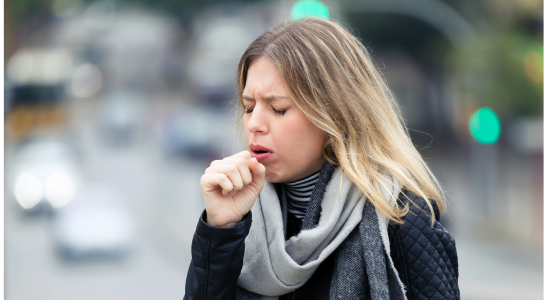
The study found that three types of problems occur most frequently.

1. Respiratory illnesses
These include colds, coughs, and other infections that spread easily in crowded places like airports, markets, and public transport.

2. Gastrointestinal upsets
Traveller’s diarrhoea, food poisoning, or stomach bugs are common when trying new foods or eating in places with different food handling and hygiene standards.

3. Injuries
Travellers can experience a range of injuries, from slips, cuts, and sprains to more serious accidents. Many common injuries, such as minor cuts or sprains are usually manageable with basic  first aid and appropriate support.

Woman coughing into her hand
Elderly man and woman travellers smiling as they walk through airport

The research also shows that certain groups are more likely to run into health problems overseas. Understanding these risks can help travellers prepare more effectively.

Travellers Visiting Friends and Relatives (VFR)
People visiting family overseas often stay longer, travel to local neighbourhoods, and may not see themselves as “tourists.” This can expose them to illnesses like dengue, malaria, typhoid, or measles – particularly  in some tropical regions.

Older travellers and those with chronic conditions
More older Australians are travelling than ever before. Many are healthy and active, but age and existing medical conditions may increase the chance of complications if they get sick or injured.

For these groups, a quick pre-travel health check can make a big difference.

A short appointment with a GP or travel health specialist before a trip can help travellers understand the potential risks at their destination and learn how to avoid them. This advice can cover:

  • Vaccinations needed for certain countries
  • How to prevent mosquito borne illnesses
  • What to do if bitten or scratched by an animal in places like Bali
  • How to manage medications while travelling
  • Tips for staying safe during activities like riding scooters or hiking

Many travellers skip this step, but it’s one of the easiest ways to stay healthy overseas.

Even with good planning, unexpected things can still happen. Medical care overseas can be expensive, and some countries require payment upfront before treatment begins which can leave many travellers in a tricky financial position.

Allianz supports travellers with travel insurance benefits that may include:

  • Up to $20 million in medical cover
  • 24/7 global assistance
  • Help arranging hospital care, medical transport, or emergency support

This kind of cover may help  eligible policyholders avoid large out-of-pocket medical expenses or navigating unfamiliar healthcare systems alone.

Travel insurance isn’t just for major medical emergencies. Depending on the policy, it may  also help with:

  • Lost luggage
  • Trip delays
  • Rebooking flights
  • Replacing stolen items

It’s a safety net that lets travellers focus on enjoying their trip.

The research doesn’t suggest that travel is dangerous. Instead, it shows that most health issues are small and manageable, and that a little preparation goes a long way.

Before your next trip, consider these simple steps:

  • Book a pre-travel health appointment
  • Check your vaccinations
  • Pack a small medical kit
  • Understand the health risks at your destination
  • Buy comprehensive travel insurance

Travelling is one of life’s great joys. With the right preparation and protection, Australians can explore the world with confidence, knowing they’re ready for whatever comes their way.

This information is general in nature and does not take into account individual circumstances. It is not intended to replace personalised medical advice or insurance advice. Always refer to the relevant Product Disclosure Statement (PDS) before making any decisions.

1 
What's the worst that could happen? The risk of illness, injury, and death related to international travel-the Australian experience